
Measuring the Impact: West End Brewery’s New Look
The West End Brewery site, or commonly referred to as the new suburb of ‘Southwark’, with its significant land value and investment potential, presented an exceptional opportunity for urban redevelopment. This large-scale project aimed to transform the historic brewery into a vibrant mixed-use urban area. The redevelopment involved converting the site from its original commercial use to a space that includes residential, commercial, and public areas, providing a dynamic environment for the community.
Mud Environmental, led by South Australian Environment Protection Authority [EPA] Accredited Site Contamination Auditor [auditor] Mr Adrian Webber, brought over 25 years of strategic leadership to the project. As the Auditor for the project, Adrian’s role was pivotal in managing the complex site conditions, meeting regulatory compliance, and coordinating with multiple stakeholders to bring the vision to life.
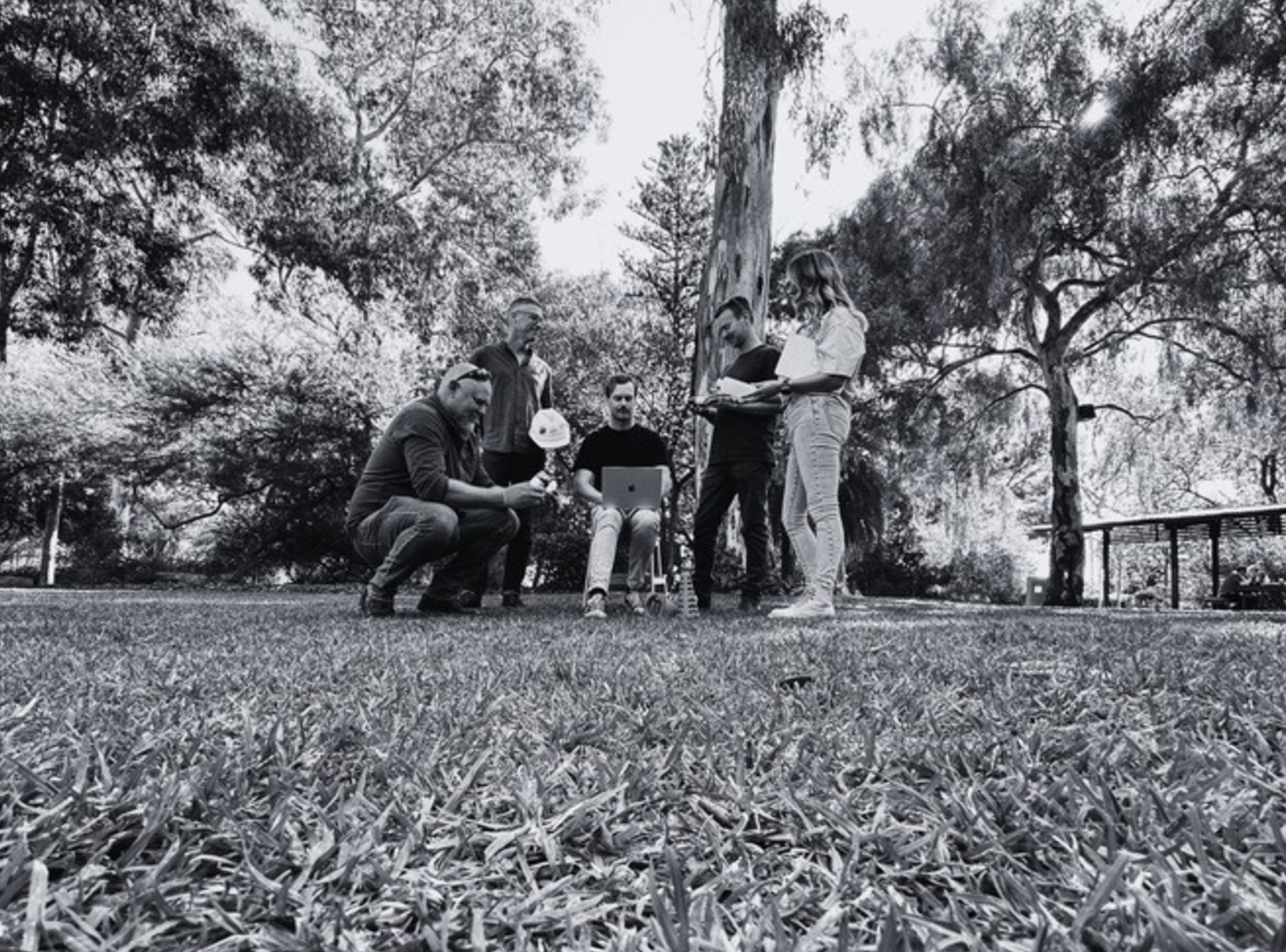
During the duration of the initial Site Contamination Audits [audit] completed by Mr Webber, challenges faced included the sale of the land with the Audit built into the land transaction as a condition of settlement. Mr Webber was entrusted with complete, independent oversight of all assessment and remediation activities carried out by the national environmental remediation contractor, McMahons Services. A ‘one-team approach’ was applied with weekly toolbox meetings enlisted and a project tracker aligning on-ground activities, regulatory requirements and developer deadlines.
Mr Webber explains, “With a $32M project at stake and a timely turnaround for land settlement, there was no opportunity to miss a deadline.”
Preserving History
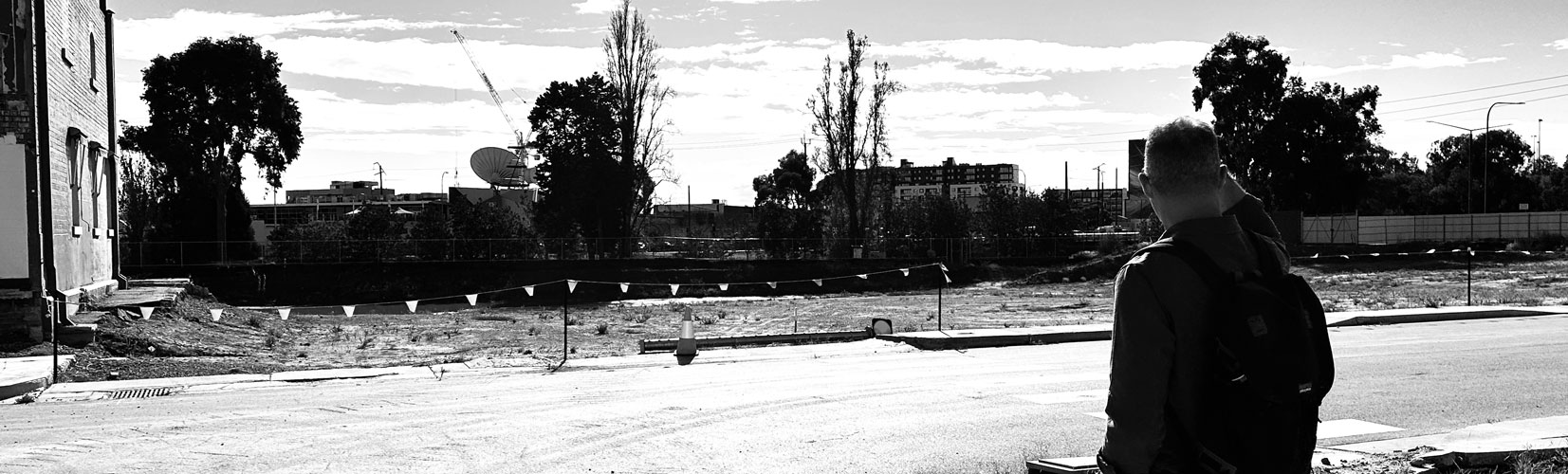
The redevelopment of the West End Brewery site garnered significant public interest due to its historical significance and prime location. The site’s proximity to the protected River Torrens, a natural losing river system and crucial ecosystem, added another layer of complexity to the project. Environmental protection measures were paramount to safeguard the river and surrounding areas.
**enviro receptor
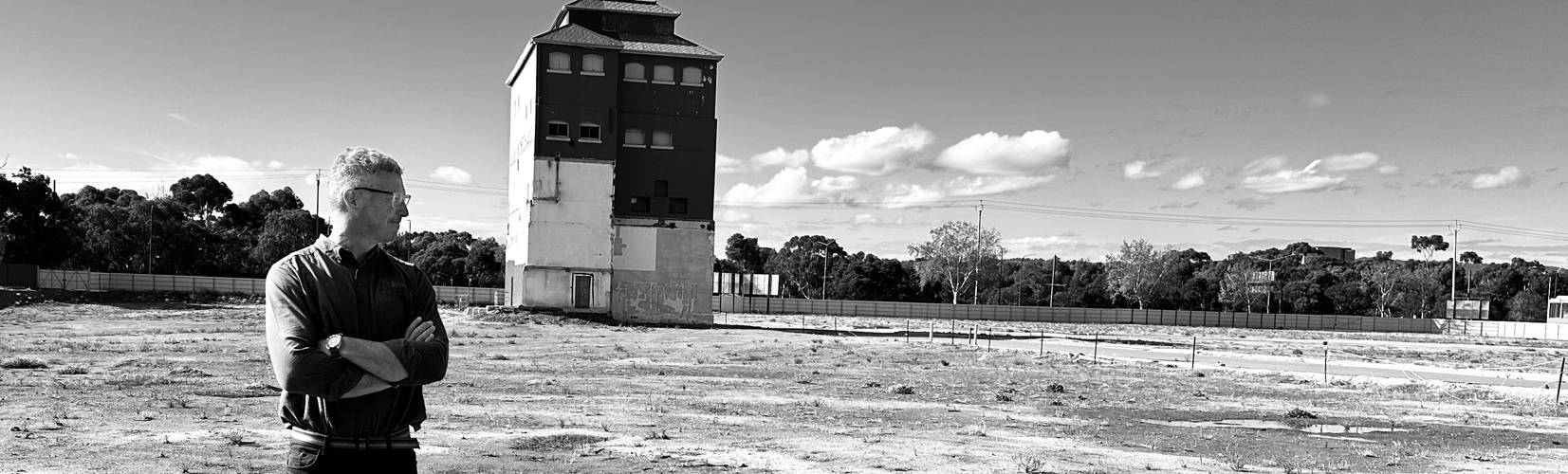
In addition to addressing environmental concerns, the project needed to preserve key heritage elements, such as the Colonel Light Heritage Listed Cottage and protected trees with substantial drip zones. Importantly and a visually iconic landmark for many South Australians included preservation of the heritage listed Brew Tower and significantly, Colonel Light’s Cottage. The challenge was to integrate these historical features seamlessly into the new development while respecting their cultural and historical importance for the State.
Colonel William Light was a British naval officer and the first Surveyor-General of South Australia, best known for designing the grid-layout of Adelaide. His innovative city plan, with its spacious streets and public squares, laid the foundation for a modern Adelaide. The remains of his original cottage—once his colonial residence—will be preserved at the West End Brewery site at what will be the new suburb of Southwark.
Sustainable Remediation Activities
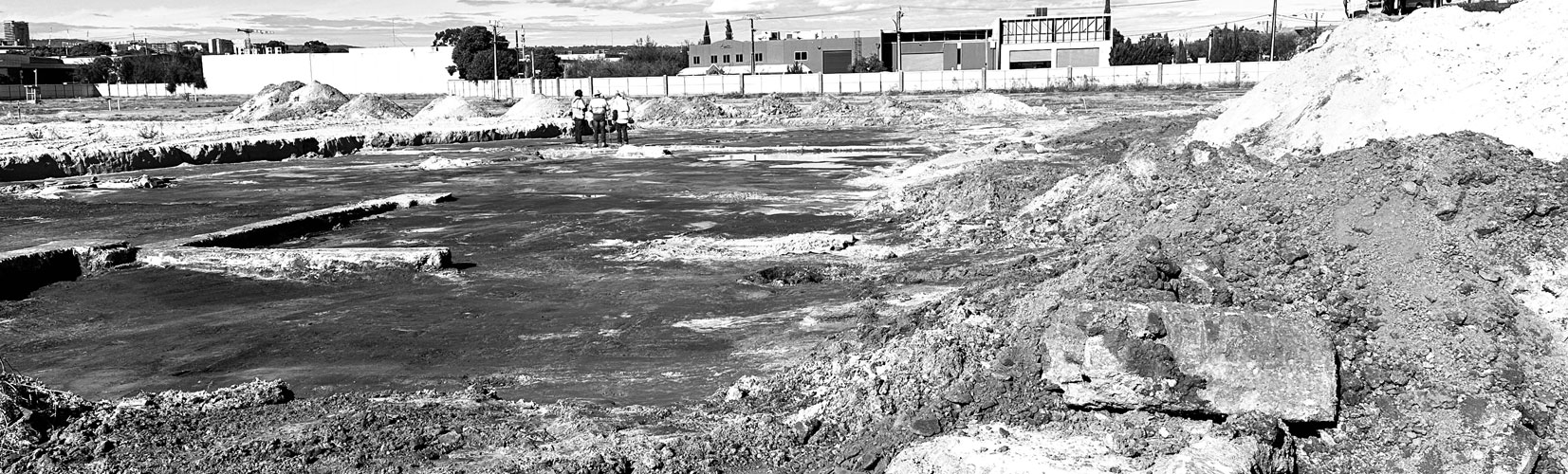
One of the most critical aspects of the redevelopment was the extensive remediation required to make the site safe for its new mixed-use purpose. The site had been impacted by various contaminants from its historical use as a brewery, including hydrocarbons, heavy metals, and volatile organic compounds.
Mud Environmental implemented innovative and sustainable remediation strategies to address soil and groundwater contamination. Techniques such as in-situ bioremediation and soil vapour extraction were employed for their effectiveness and minimal environmental disruption. These methods ensured that the remediation was not only thorough but also aligned with the project’s sustainability goals.
Partnerships That Drive Progress
The complexity of the project was further compounded by the need to coordinate with multiple stakeholders, including government agencies, environmental bodies, developers, and the local community. Mud Environmental facilitated broad engagement and collaboration among stakeholders, ensuring transparent communication and systematic decision-making processes.
Archaeologists
- include reference to complexities of assessment activities, rig drilling converted to hand augers.
- One could say it scene out of Jurassic Park or an Egyptian tomb unearthing?? Analogy to be included in here
- Seriousness of the nature of the dig and the findings for the State and for time/cost on the development approval
- With the archaeologists gridding the site prior to any dig activities commencing, unearthing layer by layer to preserve the original cottage floor that belonged to Colonel Light.
How Does It Stack Up?
A Look at Other Australian Heritage-Listed Sites
The West End Brewery redevelopment is comparable to other notable heritage-listed urban projects in Australia, such as Sydney’s Barangaroo, and both in Melbourne: the Docklands and Fishermans Bend developments.
- Barangaroo, Sydney:
Barangaroo transformed a disused container terminal into a world-class waterfront precinct. The project involved significant environmental remediation and heritage preservation, similar to the West End Brewery site. Both projects highlight the importance of balancing historical preservation with modern urban development.
- Docklands, Melbourne:
The Docklands redevelopment converted an abandoned dockyard into a thriving urban hub. This project, like the West End Brewery redevelopment, required extensive remediation to address contamination from industrial use. Both developments emphasise the potential for large-scale urban renewal to revitalise underutilised areas.
- Fishermans Bend, Melbourne:
Fishermans Bend, Australia’s largest urban renewal project, aims to create a sustainable and vibrant community. The project’s focus on environmental sustainability and innovative urban design parallels the West End Brewery redevelopment’s goals.
Outcomes That Shape A Future Community
The successful transformation of the West End Brewery site to a clean, valuable land parcel demonstrates Mud Environmental’s expertise and capability in handling large-scale urban renewal projects. The redevelopment not only revitalised a historic landmark but also created a sustainable and thriving urban space that benefits the community.
The project serves as a model for integrating heritage preservation with modern urban development, providing valuable lessons for future developments. By addressing contamination, preserving heritage, and creating vibrant public spaces, the West End Brewery redevelopment showcases the potential of urban renewal to enhance city landscapes and community wellbeing.
With a small area remaining part of an active site contamination assessment, Mr Webber will see through his fifth and final site contamination audit to sign off on the health and safety of people and the environment at the new Southwark redevelopment site.
The Auditor’s Conclusion
The West End Brewery redevelopment highlights the significant potential of urban renewal projects to transform historic contaminated sites into vibrant, sustainable communities. The project’s success underscores the importance of strategic environmental management, innovative remediation techniques, and collaborative stakeholder engagement. As urban areas continue to evolve, the lessons learned from the West End Brewery site serve as a valuable guide for future developments, ensuring that sustainability, historical preservation, and modern progress are seamlessly integrated.
Connect with the team today to find out more about how Mud Environmental solves complex site contamination problems.